A pool over 50 m²: building permit or a slightly smaller pool?
When the water surface reaches or exceeds 50 m², the pool is not covered by the small-scale works approval and needs a building permit. Often a few centimetres in the dimensions make all the difference.
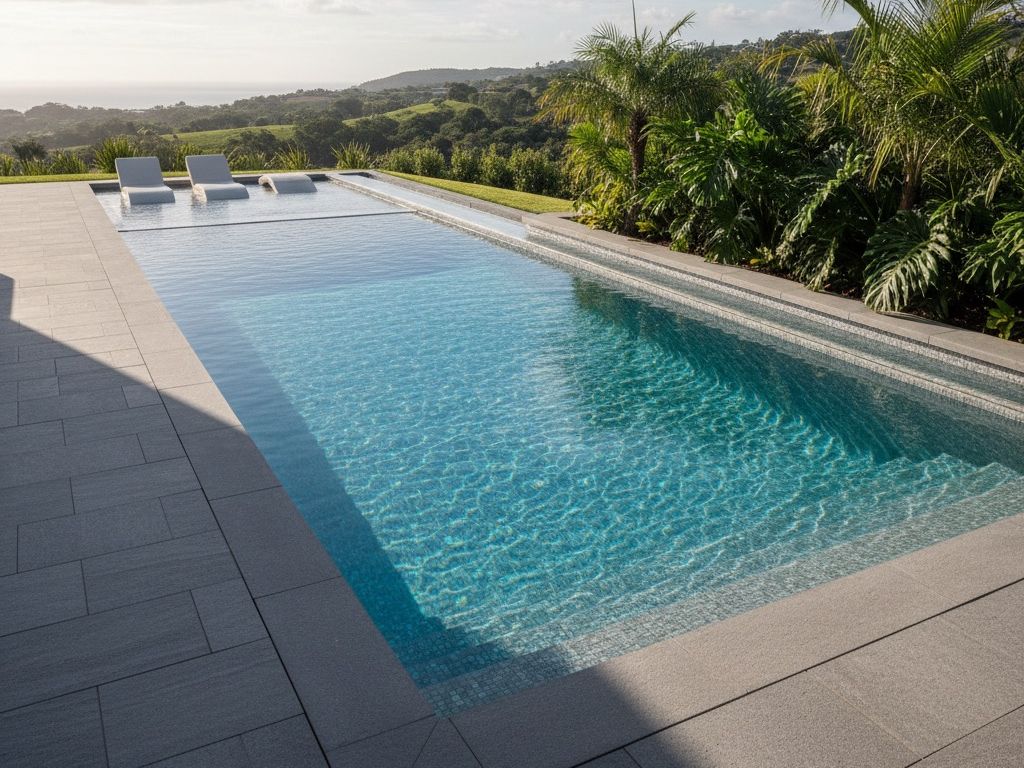


Exactly where the limit is
The small-scale works approval covers pools with a water surface area under 50 m². A 5 × 10 m pool has exactly 50 m², so it is not “under” the limit and needs a building permit.
Size is not the only condition. A smaller pool also needs a building permit if, for example, it is deeper than 1.5 m, rises more than 1 m above natural ground level, or if landscaping the plot requires excavation or backfill of more than 1 m. How the surface area is measured for your pool, e.g. in an overflow pool, is confirmed by your engineer before the dimensions are finalized.
What changes with a building permit
- Studies: the file includes the studies that the legislation requires for the specific project, prepared by engineers.
- Time: the procedure is usually longer than the small-scale works approval and shifts the whole schedule. See what affects the pool construction time.
- Cost: the studies and the procedure affect the overall cost of the pool, on top of the construction itself.
- More freedom in the design: you are not bound by the small-scale limits; for example, a conventional plant room can be built instead of a compact one, always within the building regulations your engineer checks.
A prefab pool with metal panels and a liner remains an option with a building permit too. What changes is the paperwork, not the construction method or the depth, which is set by the 1.10 or 1.50 m panels.
Sizes around the limit
| Dimensions | Water surface area | Procedure |
|---|---|---|
| 5 × 9 m | 45 m² | small-scale* |
| 4.5 × 10 m | 45 m² | small-scale* |
| 4 × 12 m | 48 m² | small-scale* |
| 5 × 10 m | 50 m² | building permit |
| 6 × 12 m | 72 m² | building permit |
* Provided the other conditions are also met. The difference between 45 and 50 m² is barely noticeable in everyday use, but it changes the whole procedure. See the prefab pool sizes in detail.
When it is worth staying under 50 m²
- For family use, where a 4 × 8 or 4 × 10 m pool comfortably fits play and lengths.
- When you want the pool ready for next summer and time is tight.
- When the garden is limited and the extra square metres would eat into space for sun loungers and greenery.
- For swimming, where a long, narrow 4 × 12 m lap pool gives you length without going over the limit.
When a larger pool makes sense
For hotels and guest accommodation with many visitors, villas with large outdoor areas or event venues, a building permit is a reasonable part of the project, not an obstacle. In these cases, start the procedure early, ideally in the autumn or winter before the season you want the pool to be in use. Bear in mind too that a larger surface area also means higher deemed living expenses and ENFIA, which is worth discussing with your accountant.
The limits and the studies required are confirmed by your engineer for the specific plot.
Questions
Can I build a 48 m² pool and enlarge it later?
Any enlargement is new work and, if the surface area reaches or exceeds 50 m², it needs a building permit. With a prefab liner pool it makes much more sense to decide on the final size from the start.
Does the size of the pool affect taxes too?
Yes. Deemed living expenses and ENFIA are calculated on the pool's square metres, so a larger surface area means a higher charge. See pool deemed living expenses.
See also
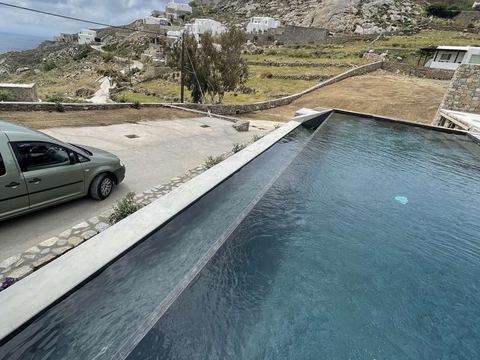
Small-scale works approval
The small-scale works approval for a pool step by step: what the engineer checks, which documents are usually…
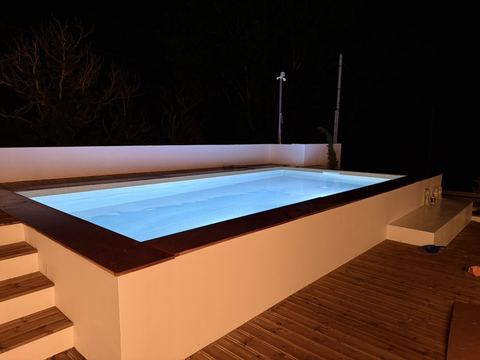
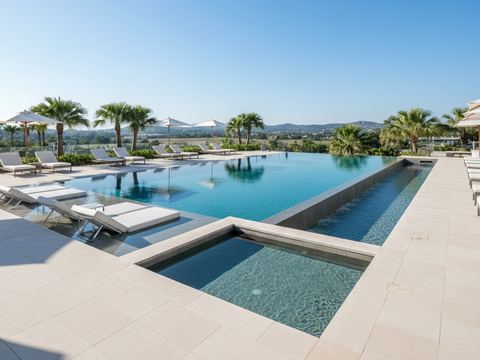
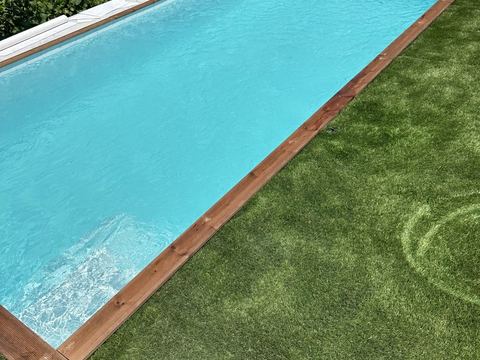
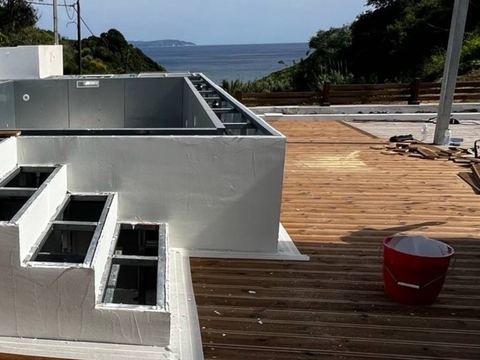
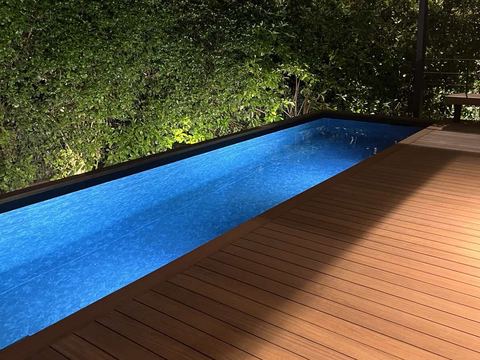
4 × 12 m pool
A 4×12 m pool: 48 m² of water, volume with 1.10 or 1.50 m panels, how it stays below the 50 m² limit,…
5 × 10 m pool
A 5×10 m pool: 50 m² of water means a building permit. Volume with 1.10 or 1.50 m panels, the 5×9 and 4.5×10…