A shared pool in an apartment block: agreement, paperwork and rules of use
In an apartment block, a pool is first a matter of agreement between the co-owners and only then a matter of construction. With a written decision, clear rules and a clear split of costs, it works without friction.


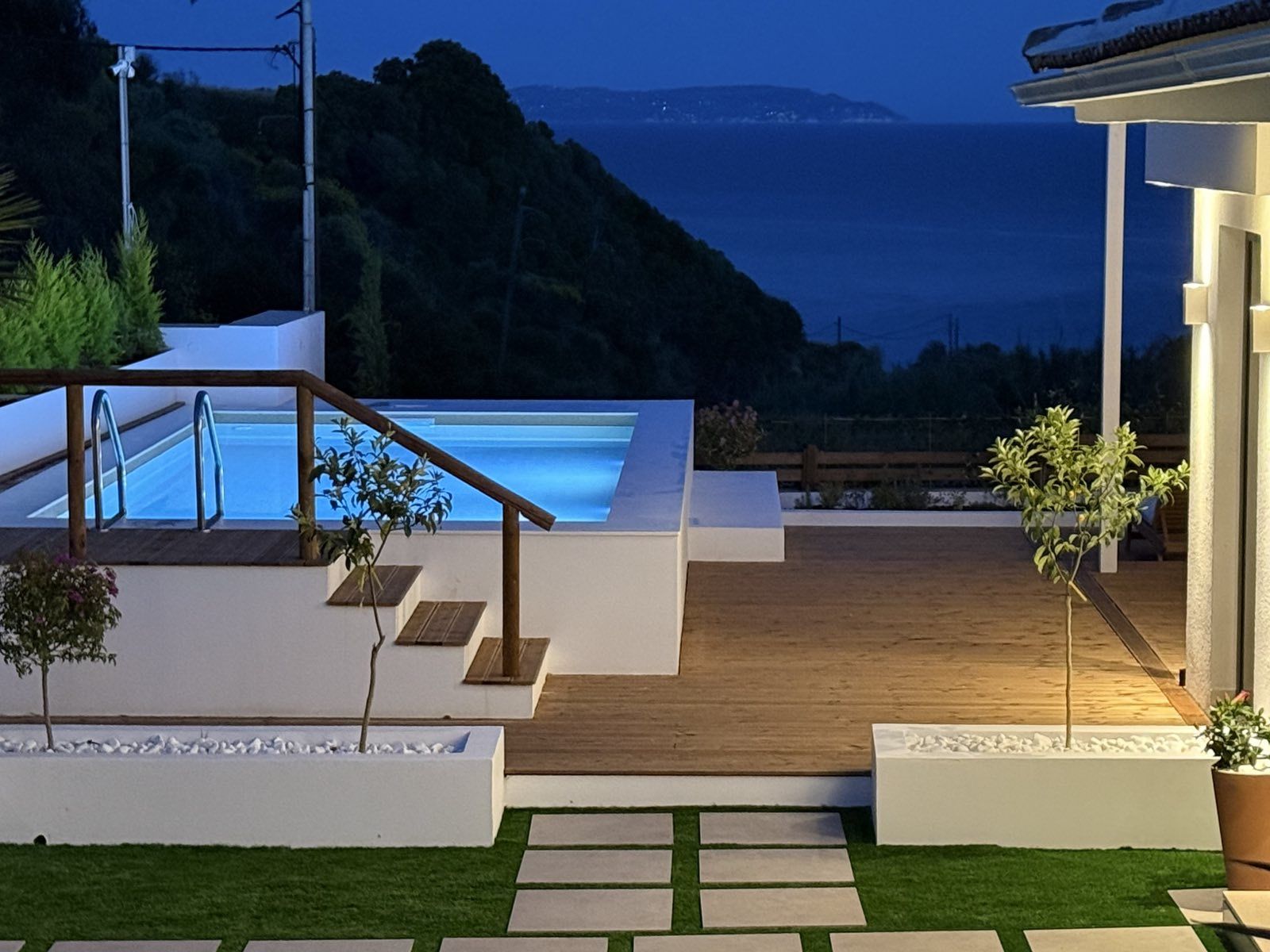
Who decides
The yard of an apartment block is usually common property, even when one flat has exclusive use of part of it. What consent is needed to build a pool depends on the deed of horizontal ownership and the building's regulations. The engineer, and a lawyer where needed, examines these documents before anything else.
In practice, the smoothest route is a general meeting with a specific proposal: the position and dimensions of the pool, who will maintain it, how costs will be shared and which rules will apply. The decision is put in writing, so there are no misunderstandings later or when owners change.
Two common scenarios
A shared pool for everyone
All residents use it, while maintenance, chemicals and electricity go into the shared building costs. You need rules of use and one person responsible for the water, for example the building manager working with a maintenance company.
Also decide who tests the water regularly (pH 7.2–7.6 and free chlorine 1–3 mg/l), who keeps records and whom you call when the water turns cloudy or the pump breaks down. Without a clearly responsible person, maintenance is left half done and everyone ends up facing the problem.
A pool in a yard with exclusive use
A common case with ground-floor flats that have a garden. Even then, the ground as a rule remains common property, so checking the documents and getting the others' consent, where required, cannot be skipped. A small courtyard pool is often a good fit here.
Paperwork and tax
For a pool that meets the conditions, the procedure is the small-scale works approval, with the engineer also gathering the apartment block's documents. After construction, each owner declares the shared pool on their own E9 with their co-ownership share, as we explain in our guide to pools on the E9 return. Agree among yourselves so that everyone declares the same pool details; each owner's accountant confirms the specifics.
Rules of use
Disagreements over shared pools usually concern hours, noise and cleanliness. A short set of written rules, posted next to the pool, heads off most of them:
- hours of use and respect for quiet hours;
- children in the water only with an adult;
- a shower before getting into the pool;
- no glassware, and no food in the water;
- guests: how many and on what terms;
- who opens and closes the cover and the fence gate.
At the end of each season, a short discussion about what worked and what did not is worthwhile, so the rules adapt to how the pool is really used.
Practical design points
- Plant room: away from bedrooms and balconies, so the pump noise does not disturb anyone. More in pools and neighbours.
- Electricity: decide in advance whether the pool will be connected to the common supply, so consumption is shared in a clear way.
- Safety: in a building with children, pool fencing with a self-closing gate is one of the first priorities.
- Privacy: the upper floors look down on the pool, so its position and shading matter.
This information is general. Your engineer confirms what consent and which documents are needed for your apartment block.
Questions
Can the ground-floor owner build a pool in their exclusive-use garden without asking the others?
Usually not, because the ground remains common property and the building's regulations may require consent. The engineer checks the deed of horizontal ownership and the regulations before anything starts.
How are the maintenance costs of a shared pool divided?
As the general meeting decides and the regulations provide, often based on the per mille shares. The important thing is to have it set down in writing before construction.
See also
Pool on the E9
Pool on the E9 return: when to declare it after construction, which category, how to declare a shared pool by…
Small-scale works approval
The small-scale works approval for a pool step by step: what the engineer checks, which documents are usually…
Pools and neighbours
Pools and neighbours: how to reduce plant room noise, where the water goes, how to respect views and privacy…